


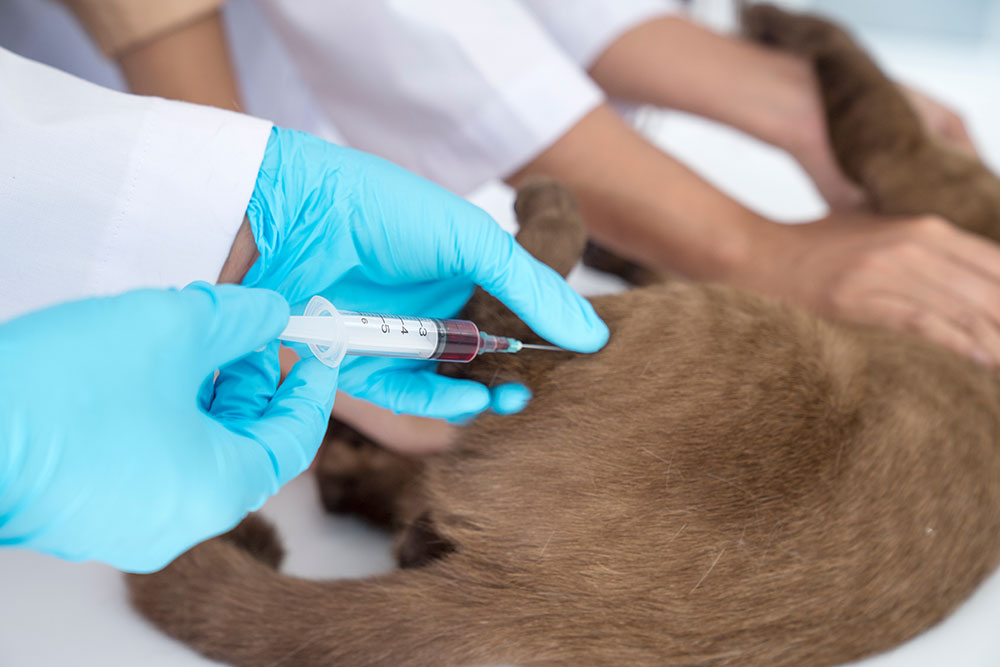
A senior pet who looks and acts healthy still benefits from routine screening, because dogs and cats are very good at hiding early disease. Slowing down, drinking more water, or losing a little weight is easy to write off as normal aging, yet those same changes can be the first quiet signs of kidney disease, thyroid trouble, or high blood pressure. Pets are generally considered seniors around age seven, and some smaller changes at that stage really are just age while others are treatable conditions caught in their most manageable window. Screening tests like bloodwork, a blood pressure reading, and imaging can find these problems before your pet ever feels sick, which is exactly when treatment works best.
At Twin Maples Veterinary Hospital in Dayton, we build senior care around finding problems early rather than reacting to them late. Our senior wellness exams pair a full physical with the in-house bloodwork, blood pressure checks, ultrasound, and digital radiography that reveal thyroid changes, organ shifts, and heart or joint concerns you cannot see from the outside. Because we run these tests here, we can track how your pet’s numbers move over time and catch a trend early, when small adjustments make the biggest difference. If your dog or cat is entering their senior years, reach out and let us map out a screening plan that fits their age and health.
Senior Screening in a Nutshell
- Most dogs and cats hide illness by instinct, so a pet who seems fine can still have early kidney, thyroid, heart, or blood pressure changes brewing under the surface.
- Screening tests like bloodwork, a blood pressure reading, urinalysis, and imaging find problems before symptoms appear, which is the window where treatment works best and costs the least.
- Tracking a pet’s numbers over time is often more revealing than any single result, because a value drifting the wrong way can flag disease while it still sits inside the normal range.
- Senior pets do best with twice-yearly visits and a screening plan matched to their age, breed, and history rather than one fixed panel for every pet.
Which Pets Actually Need This Extra Layer of Testing?
Senior pets need this extra testing most, and that line arrives sooner than many families expect. A hands-on exam only shows what can be seen, felt, and heard from the outside. Kidney values, thyroid levels, and blood pressure can shift long before a pet looks sick, so screening reaches what a physical alone cannot.
Here is the part that surprises a lot of pet families: a year is a long time for a senior pet compared to a human. A seven-year-old dog or cat ages the rough equivalent of four to five human years in that single trip around the sun, and for larger breeds it is more. Between visits, a lot can shift under the surface, and preventive testing is how those changes get caught while a pet still looks healthy. That is why we lean toward twice-yearly senior exams, so a problem that starts in March is not waiting until next spring to be found.
Trends are the quiet hero here. A kidney or thyroid value that is still technically normal but has climbed steadily over two or three visits tells a story a single snapshot never could. We watch the direction a number is moving, not just whether it lands inside the reference range, and that is often what catches disease at its earliest stage.
What Does a Full Senior Screening Actually Include?
A comprehensive senior screening blends several tools into one picture: a full physical exam, bloodwork, a urinalysis, a blood pressure reading, and imaging like X-rays or ultrasound when warranted. Together these look at the organs, the blood, and the structures a physical cannot reach, building a baseline we can measure against for years.
No two plans are identical, and that is by design. Which tests belong in a given plan depends on the individual pet, shaped by age, breed, lifestyle, and prior results rather than a one-size-fits-all panel. Our approach leans on wellness screening that tracks results over time, so each visit builds on the last.
What Story Does a Single Tube of Blood Tell?
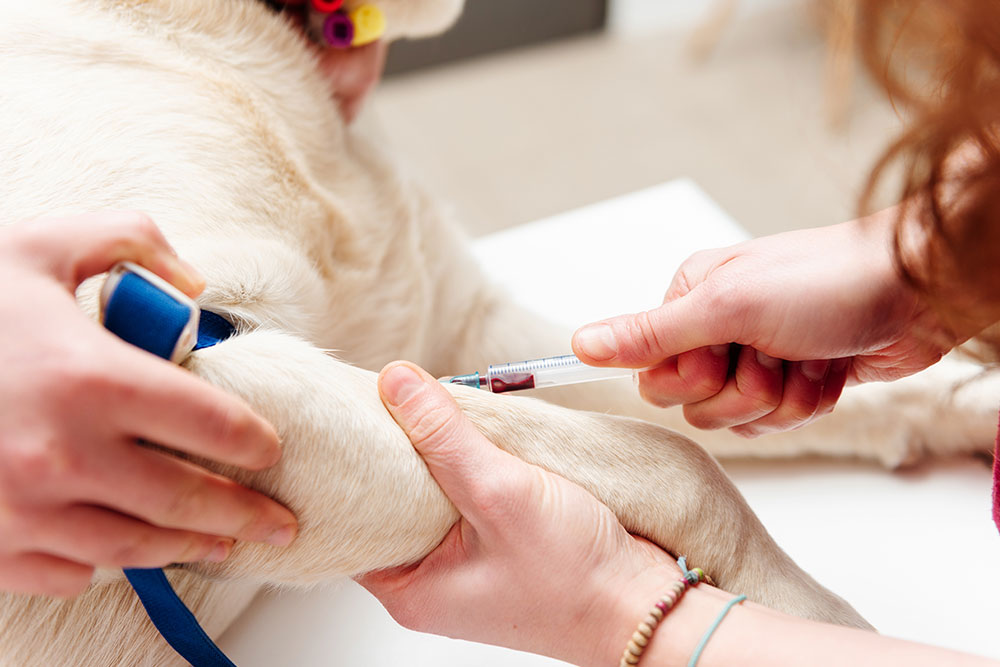
Blood work is an internal snapshot, a look at organ function and blood health that shows what is happening inside long before symptoms surface. A single small tube can flag kidney strain, liver changes, anemia, infection, thyroid imbalance, and more, often while a pet still seems perfectly well at home.
We run blood and urine testing right here through our in-house diagnostics, with the ability to send out to a reference laboratory when a more in-depth look or special tests are needed. Here is what the core senior panel looks at:
- Complete blood count (CBC): Red cells, white cells, and platelets, catching anemia, infection, inflammation, and clotting concerns.
- Chemistry panel: Kidney and liver values, blood sugar, protein, and electrolytes, the workhorse for spotting organ trouble early.
- Thyroid testing: Thyroid hormone levels, catching the underactive thyroid common in senior dogs and the overactive thyroid common in senior cats.
- Heartworm and tick-borne disease testing: Heartworm plus infections like Lyme, ehrlichia, and anaplasma that can quietly affect blood, joints, and organs.
The real power shows up over time. A value that sits at the high end of normal one year and creeps higher the next tells us something a one-time reading never would, which is exactly why we compare every result to what came before.
What Does the Urine Sample Add That Blood Misses?
A urinalysis reads the fluid the kidneys produce, and it fills in gaps that blood work alone can leave open. Diluted urine can reveal kidneys that are struggling well before blood values shift, and the same sample catches sugar spilling over in diabetes, white cells and bacteria that point to a urinary infection, and crystals or blood that hint at bladder stones or inflammation.
Is High Blood Pressure the Silent Threat Behind My Pet’s Aging?
High blood pressure, or hypertension, is real in pets and dangerous precisely because it is silent. Just like in people, hypertension rarely announces itself, yet the steady strain of high pressure quietly wears on the kidneys, heart, eyes, and brain. By the time it causes obvious trouble, damage is often already done.
In dogs and cats, hypertension usually rides along with another condition rather than appearing alone; kidney disease, an overactive thyroid, diabetes, and certain hormonal disorders all push blood pressure up, which is one more reason those senior panels matter. One of the most heartbreaking consequences is sudden blindness from retinal detachment, sometimes the very first clue you notice. A pet who was fine yesterday bumping into furniture today is a genuine emergency.
Checking blood pressure is quick and painless, using a small cuff on a leg or the tail much like the reading you get at your own doctor’s office. When pressure runs high, it can often be brought down with medication and by treating the underlying condition driving it, then rechecked to confirm the numbers are holding steady.
Can We Catch a Heart Problem Before It Shows Symptoms?
Cardiac screening matters because heart disease is a quiet climber; many dogs and cats show no outward signs until the heart is already working too hard to keep up. A murmur heard during an exam or a subtle cough can all be early flags, and the tools that follow up on them are noninvasive and well tolerated. Here is how the main cardiac screening tools fit together:
- Chest X-rays: Show the size and shape of the heart and whether fluid is backing up into the lungs, a fast first look we can do in-house.
- Echocardiogram: Uses sound waves to show the chambers and valves in motion when a murmur or irregular rhythm turns up.
- NT-proBNP testing: A simple blood draw measuring a marker that climbs when the heart is working too hard, often before any outward sign.
- ECG (electrocardiogram): Records the heart’s electrical rhythm to pinpoint abnormal beats and arrhythmias a stethoscope might only hint at.
When Does It Make Sense to Look Inside With Imaging?
Imaging comes into play when we need to see inside, either to follow up on something found on exam or bloodwork, or to build a baseline of what a pet’s organs and joints look like in their senior years. For some pets who are a breed predisposed to certain conditions, like small dogs and heart disease or large dogs and certain cancers, imaging can help us pick up these diseases before they’re causing problems.
Digital radiography captures the size and outline of the heart, lungs, bones, and abdominal organs in a single quick image, making it the right tool for checking for arthritis in aging joints, an enlarged heart, masses, or bladder stones. Where an X-ray shows the outline, ultrasound looks inside soft tissue organs in real time, letting us evaluate the liver, kidneys, spleen, heart, or a mass an X-ray only hinted at. When a chemistry panel flags a liver or kidney change, ultrasound is often the next step to understand why. We offer both ultrasound and digital X-ray for dogs and cats in Dayton.
Which Age-Related Conditions Are We Hunting For?
Senior screening exists to catch a whole family of age-related conditions early, and the ones below are the most common reasons we recommend regular bloodwork and imaging. Each has its own signs, and many share the same quiet, easy-to-miss beginnings.
| Condition | Species most affected | Early signs to watch | How screening helps |
| Hypothyroidism | Dogs | Weight gain, low energy, dull coat | Thyroid blood test |
| Hyperthyroidism | Cats | Weight loss, big appetite, restlessness | Thyroid blood test |
| Chronic kidney disease | Both (esp. cats) | More thirst, weight loss, larger urine volume | Bloodwork plus urinalysis |
| Heart disease | Both | Cough, tiring easily, faster breathing | Exam, X-rays, ultrasound |
| Cancer | Both | New lumps, weight loss, low appetite | Exam, bloodwork, imaging |
| Liver disease | Both | Often none early; later vomiting, jaundice | Chemistry panel |
| Arthritis | Both | Stiffness, reluctance to jump, slowing down | Exam and X-rays |
| Dental disease | Both | Bad breath, tartar, dropping food | Oral exam, dental X-rays |
Thyroid Disease in Senior Dogs and Cats
Thyroid disease runs opposite directions by species, and both mimic ordinary aging. In dogs, hypothyroidism slows the system down with weight gain, low energy, and a dull coat, yet a simple blood test confirms it and a daily pill usually turns treated dogs back to their old selves within weeks. In cats, hyperthyroidism revs the metabolism into overdrive, driving weight loss despite a bottomless appetite, often with restlessness or nighttime vocalizing. Caught early, it is very manageable with medication, a special diet, or radioactive iodine therapy.
Kidney Disease in Senior Pets
Chronic kidney disease is one of the most common conditions in older pets, especially cats. By the time thirst, more frequent urination, a fading appetite, or gradual weight loss shows up, a large share of kidney function is often already lost, which is why bloodwork matters so much. There is no cure, but with the right diet, hydration support, and medications, many pets live comfortably for years after diagnosis, and the earlier we start, the better they do.
Heart Disease in Senior Pets
The most common heart problems break down by species and size. In dogs, especially small breeds, mitral valve disease is the usual culprit, a slow leaking of one heart valve. Larger breeds are more prone to dilated cardiomyopathy, where the heart muscle weakens and stretches. In cats, hypertrophic cardiomyopathy thickens the heart walls, often silently. Coughing, tiring quickly, or faster breathing at rest are worth a same-week check, and with early treatment many pets stay comfortable and active for a long time.
Cancer Screening in Senior Pets
Age is the single biggest risk factor for cancer in pets, and routine exams plus bloodwork and imaging are how we catch it while it is still small and treatable. Watch for new or growing lumps, sores that will not heal, unexplained weight loss, and a dip in appetite or energy; when we find a mass, we can sample it to learn what it is before deciding on next steps. Some cancers run in certain breeds: lymphoma and hemangiosarcoma in Golden Retrievers and German Shepherds, mast cell tumors in Bostons and Boxers, and osteosarcoma in large and giant breeds. Most lumps we check turn out to be nothing, and knowing for sure beats worrying.
Liver Disease in Senior Pets
The liver is a quiet organ, and liver disease often shows up as elevated values on a chemistry panel long before a pet looks unwell. When outward signs do appear, they can include vomiting, a poor appetite, increased thirst, or a yellow tint to the gums and eyes. Management depends on the cause, and catching it early gives us the most options.
Arthritis and Joint Pain in Senior Pets
Arthritis is one of the most underdiagnosed problems in senior pets, partly because dogs and cats hide pain so well. A dog may slow down on walks or hesitate at the stairs; a cat may stop jumping to the windowsill. Diagnosis combines a hands-on exam with X-rays to see the joints themselves. Weight control, physical activity, and joint supplements form the foundation of long-term arthritis care. Modern monthly injections like Solensia for cats and Librela for dogs target arthritis pain specifically. In-office laser therapy can ease sore joints too, and we will map out the best mix for your pet.
Dental Disease in Senior Pets
That smell when your dog yawns usually starts below the gumline, where infection has been working on the tissues that hold the teeth in place. Dental care matters far beyond the mouth, because bacteria from diseased gums can travel through the bloodstream and strain the heart, liver, and kidneys. Bad breath, tartar, red gums, drooling, or dropping food are all signs worth a look. The best way to care for your senior pet’s mouth is a professional cleaning under anesthesia, where we can clean below the gumline and take dental X-rays to find hidden disease and restore comfort.
What Owners Ask About Senior Screening
At what age should I start senior screening for my pet?
Most dogs and cats are considered seniors around age seven, though large and giant breeds age faster and may reach that stage a year or two earlier. Seven is a good time to establish a baseline of bloodwork, blood pressure, and a urinalysis while your pet is healthy, so future results have something to be compared against. If your pet is already past seven and has never had screening, it is not too late to start.
My pet seems totally healthy, so is screening really worth it?
Screening is absolutely worth it for a pet who seems totally healthy, and a healthy stretch is actually the ideal time to check. Dogs and cats are hardwired to hide illness, so many serious conditions cause no visible signs until they are advanced. Testing a well pet gives us a true baseline and often catches disease in the window where treatment is simplest, most effective, and least expensive.
How often does my senior pet need these tests?
For most senior pets, we recommend a wellness visit with screening twice a year rather than annually, because a lot can change in a senior body over twelve months. Pets with a known condition, like kidney disease or an overactive thyroid, may need rechecks more often so we can fine-tune their care. We will tailor the schedule to your pet’s age, breed, and health history rather than applying one fixed rule.
Start Your Senior Pet’s Baseline Today
The best senior care is quiet and preventive, catching the small shifts before they become big problems. Bloodwork, a blood pressure reading, a urinalysis, and imaging together build a baseline we can watch over the years, and that steady tracking is what turns a scary diagnosis into a manageable plan. Your older dog or cat has a lot of good years ahead, and early screening helps protect them.
If your pet is entering their senior years or is overdue for a check, book your senior pet’s screening and let us build the right plan together. Have a question first? Feel free to call us or email us; we are open seven days a week and happy to talk it through.


Leave A Comment