

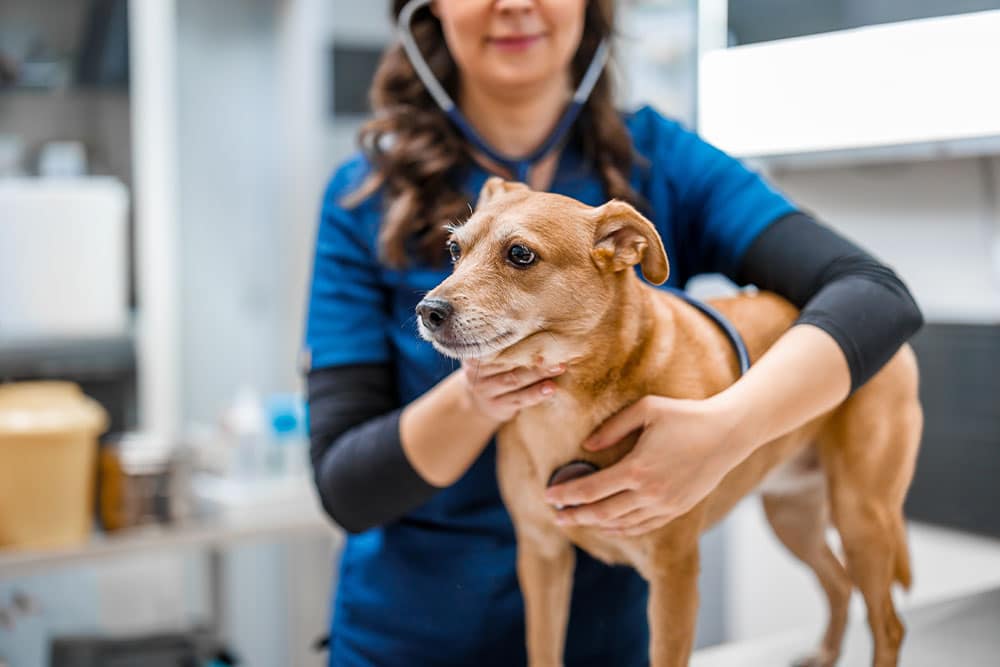
The phone call we often get goes something like: “I was petting my dog and felt something under the jaw. Is it normal?” Sometimes it is. A reactive lymph node responding to a tooth infection, a skin wound, or a recent illness can swell temporarily and resolve once the underlying problem is treated. Other times, enlarged lymph nodes are the first visible sign of a serious systemic condition that needs prompt investigation. The only way to tell the difference is an examination and some diagnostic follow-through.
Twin Maples Veterinary Hospital is open seven days a week and uses gentle handling techniques to keep evaluations as low-stress as possible for every pet. Our services include the physical exams and diagnostics needed to investigate lymph node changes thoroughly, and our AAHA-accredited approach means we bring consistent clinical standards to every case. Schedule an appointment or reach out if you are worried. We are ready when you need us.
Core Concepts:
- Enlarged lymph nodes can signal anything from a simple reactive response to a tooth infection or wound to systemic conditions including tick-borne disease, fungal infection, immune-mediated disease, or lymphoma. The cause cannot be determined from the outside.
- The pattern of involvement matters: a single firm node points toward local infection, while multiple firm painless nodes in an otherwise well dog raises suspicion for lymphoma and warrants urgent diagnostics.
- Fine-needle aspiration is usually the first diagnostic step, often performed without sedation, and produces results that distinguish reactive nodes from neoplastic ones in most cases.
- Earlier evaluation matters because treatment options narrow as time passes, and lymphoma specifically responds best to chemotherapy when caught before extensive systemic spread.
What Do Lymph Nodes Do and Where Are They in Your Pet’s Body?
Lymph nodes are immune system checkpoints distributed throughout the body. They filter lymph fluid (the clear fluid that carries cellular waste and pathogens), capture and concentrate harmful organisms, and coordinate the immune response when something needs attention. Most of the time, lymph nodes work invisibly, doing their job without producing any sign of activity. Enlargement signals that the immune system has detected something worth responding to.
Several lymph nodes are accessible enough to feel from the outside. Lymph node locations you can check at home:
- Submandibular nodes: under the jaw at the angle where the lower jaw meets the neck
- Prescapular nodes: in front of the shoulders, at the point where the neck meets the chest
- Axillary nodes: in the armpits, deep in the soft tissue between the body wall and the upper foreleg
- Inguinal nodes: in the groin area at the junction of the inner thigh and the abdomen
- Popliteal nodes: behind each knee, in the soft tissue behind the joint
A lymph node chart can be helpful for visualizing exactly where to feel. Lymph node palpation is a standard part of every visit at our wellness care appointments, which is one of the reasons routine exams matter even when nothing seems wrong.
What Causes Lymph Nodes to Swell in Pets?
The pattern of involvement (which nodes are enlarged, how firm and painful they are, and whether swelling is isolated or distributed) provides meaningful diagnostic information before any testing begins. A single enlarged submandibular node often points to a tooth or facial wound problem. Generalized enlargement of multiple nodes throughout the body suggests a systemic process. Painful, hot, soft swelling tends toward infection; firm, painless, gradually enlarging nodes tend toward cancerous causes.
Infections and Reactive Lymph Node Swelling
Bacterial, viral, fungal, and parasitic infections are among the most common causes of lymphadenopathy in dogs and cats. They fall into two broad patterns based on whether the underlying infection is localized or systemic.
Local infections produce reactive swelling in the regional lymph node. A tooth root abscess swells the submandibular node on that side. An infected wound on the leg swells the popliteal or inguinal node. Treating the local infection typically resolves the lymph node response within days to weeks.
Systemic infections can produce widespread lymph node enlargement. The categories worth knowing about:
- Tick-borne diseases: Lyme disease is widespread in the Northeast and Midwest, including Pennsylvania. Ehrlichia and anaplasma are other tick-borne organisms that can produce lymph node swelling, fever, and various systemic effects.
- Bacterial diseases: leptospirosis (acquired through contact with contaminated water or wildlife urine) and mycobacteriosis (more commonly seen in cats).
- Regional fungal disease: Blastomycosis is common in the Mississippi, Ohio, and St. Lawrence river valleys, including parts of Pennsylvania. Histoplasmosis appears across the central US, including Pennsylvania river valleys. Aspergillosis can occur anywhere the environmental fungus is present.
- Viral diseases in cats: feline leukemia virus and feline immunodeficiency virus.
- Parasitic causes: toxoplasmosis, heavy intestinal parasites, giardia, and significant external parasite loads.
The diagnostic approach for infectious causes typically involves identifying the specific organism through bloodwork, fluid analysis, or sometimes lymph node aspirate, then treating the organism specifically.
Cancer as a Cause of Lymph Node Swelling
Canine lymphoma is one of the most frequent causes of sudden, dramatic lymph node swelling in dogs. The classic presentation is multiple enlarged peripheral lymph nodes in your dog who otherwise appears entirely well. Lymphoma is often discovered during routine petting before any other symptoms develop.
The numbers tell the story: an estimated 1 in 15 dogs born today will develop lymphoma in their lifetime, and that risk climbs to roughly 1 in 8 for Golden Retrievers. The encouraging counterpoint is that newer blood-based screening tests can flag lymphoma months earlier than traditional methods, often before any visible signs appear, which gives families and veterinary teams a meaningful head start on planning treatment.
Lymphoma diagnosis and subtype shape the entire treatment and prognosis conversation. Different subtypes have very different expected courses with treatment, ranging from highly responsive forms that achieve remission for many months to more aggressive forms with shorter response times. Accurate early testing is critical because the answer determines what treatment options are realistic.
Feline lymphoma more commonly presents as gastrointestinal disease rather than peripheral lymph node enlargement. Cats with intestinal lymphoma may show weight loss, vomiting, diarrhea, or appetite loss without obvious external lymph node changes.
Other types of cancer in pets can spread to lymph nodes through metastasis. The lymph node closest to a primary tumor is often the first stop for spreading cancer cells, which is why oncologists evaluate regional lymph nodes when diagnosing or staging known cancers.
Immune-Mediated Conditions, Allergies, and Other Causes
Beyond infections and cancer, several other conditions produce lymph node enlargement:
- Immune-mediated hemolytic anemia: the immune system attacks the body’s own red blood cells, with lymph nodes becoming reactive as part of the immune response
- Allergies: can produce lymph node swelling, particularly when atopic dermatitis leads to secondary skin infections that activate regional lymph nodes
- Vaccination reactions: occasionally produce localized lymph node enlargement near the vaccine site for a few days, typically self-limiting but worth distinguishing from other causes
These causes require the same systematic workup as more common infectious or neoplastic causes, because they are often indistinguishable from the surface appearance alone.
How Are Enlarged Lymph Nodes Diagnosed in Pets?
Diagnosis moves systematically from physical findings to targeted testing, with each step informing the next. The physical exam alone narrows the differential dramatically before any laboratory work begins, and the choice of next test (fine-needle aspiration, biopsy, bloodwork, imaging) depends on what the exam suggests. The goal is reaching a confident diagnosis efficiently so treatment can begin promptly.
What the Physical Exam Reveals
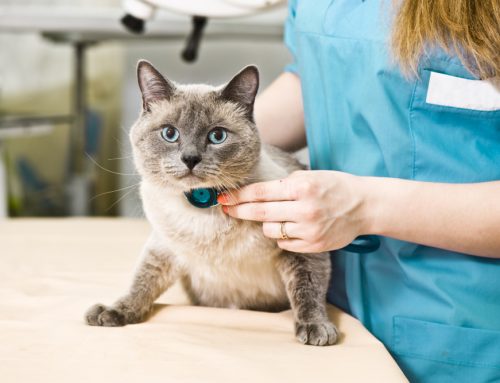
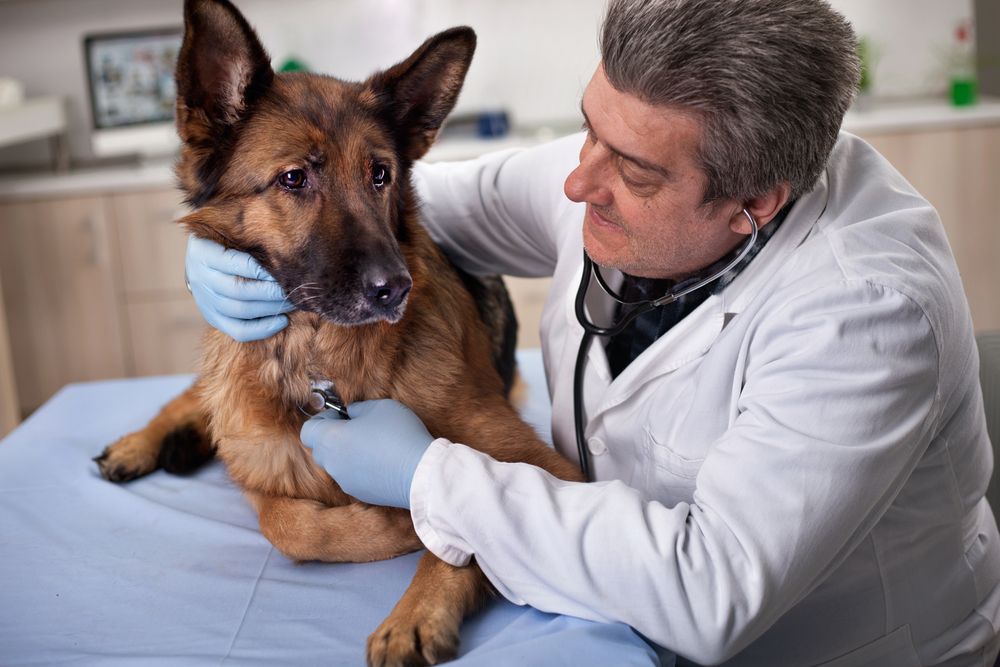
The physical examination provides substantial information before any testing. We assess each lymph node for:
- Size: how large is it relative to normal
- Texture: soft, firm, hard, or fluctuant
- Consistency: smooth or irregular
- Symmetry: single node, both sides, or generalized
- Tenderness: painful or non-painful to touch
- Mobility: do the nodes move freely under the skin or feel attached to deeper tissue
The pattern these findings produce directs the urgency and type of investigation that follows. A single, soft, painful submandibular node points strongly toward a local infection. Multiple firm, painless, freely-movable nodes in a well-appearing dog point strongly toward lymphoma and prompt urgent diagnostics. Generalized painful nodes with fever suggest systemic infection.
Fine-Needle Aspiration and Biopsy
Cytology and biopsy are the two main sampling approaches.
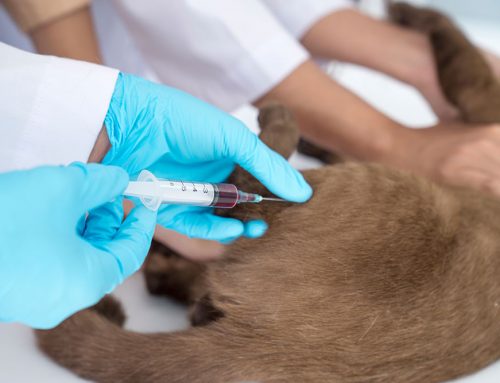
Fine-needle aspiration (FNA) is typically the first diagnostic step. A small needle (similar in size to those used for vaccinations) is inserted into the lymph node, cells are aspirated into the needle, and the sample is placed on a slide for microscopic examination. The procedure is brief, minimally invasive, and most pets do not require sedation. FNA cytology identifies the type of cell predominating in the node, distinguishes reactive nodes from neoplastic ones in many cases, and identifies many infectious organisms when present.
Biopsy removes a larger tissue sample for full histological evaluation. Biopsy is needed when FNA results are inconclusive, when lymphoma subtype determination requires deeper tissue, or when architectural changes within the node need evaluation. Biopsy typically requires sedation or anesthesia.
Our diagnostic capabilities and surgical care for dogs and cats in Dayton allow us to perform the right testing for your pet with expert, AAHA-accredited medical excellence.
Blood Work, Tick Testing, and Imaging
The diagnostic workup typically includes:
- Complete blood count to screen for anemia, infection, and bone marrow involvement
- Chemistry panel to evaluate organ function and detect systemic disease
- Tick-borne disease testing to identify common organisms like Lyme disease, ehrlichia, and anaplasma using either rapid in-house snap tests or send-out panels
Imaging often follows. Chest radiographs evaluate internal lymph nodes (mediastinal and bronchial nodes) and look for evidence of pulmonary involvement. Abdominal ultrasound assesses internal abdominal lymph nodes, evaluates the liver and spleen for involvement, and looks for changes consistent with various diagnoses.
When lymphoma is under serious consideration, complete staging through these imaging modalities guides treatment decisions and prognosis. Your dog with lymphoma confined to peripheral lymph nodes has a different prognosis than one with extensive internal involvement, and treatment plans are tailored accordingly. We provide both digital X-rays and ultrasound on site in our Dayton hospital.
What Are the Treatment Options for Lymph Node Conditions?
Treatment follows diagnosis. Starting treatment before the cause is confirmed leads to wrong medications and delayed resolution, which is why getting the diagnostic workup right comes first. Once the cause is identified, treatment is generally direct and targeted to the underlying problem.
The major treatment categories:
- Bacterial infections: targeted antibiotics, often with culture-guided selection for serious cases
- Tick-borne diseases: specific antibiotics like doxycycline for several weeks
- Fungal infections: antifungal medications often for prolonged periods (months) given the slow response
- Viral infections: supportive care with specific antivirals available for some viral infections in cats
- Parasitic causes: specific antiparasitic medications
- Lymphoma: multi-drug chemotherapy protocols designed to achieve and maintain remission
- Other cancers with lymph node spread: treatment of the primary cancer with surgical, medical, and sometimes radiation approaches
- Immune-mediated conditions: immunosuppressive medications, often for extended periods
- Allergic causes: allergy management plus treatment of secondary infections
For lymphoma, remission rather than cure is the realistic goal for most patients. Modern multi-drug chemotherapy protocols achieve remission in the majority of dogs with lymphoma, with median remission durations measured in many months. Quality of life during chemotherapy is typically excellent in pets, who generally tolerate treatment far better than human patients do. Honest conversations about what treatment looks like for each individual pet are important.
How Can I Reduce the Risk of Lymph Node Problems in My Pet?
Not all causes of lymphadenopathy are preventable, but many common infectious triggers are, and consistent preventive care is also the most reliable way to catch everything else early.
- Stay current with vaccinations. Vaccines prevent or reduce severity of several diseases that can produce lymph node swelling, including leptospirosis, Lyme disease (in endemic areas), and various viral infections.
- Maintain dental health through regular professional dental care. Chronic oral infections produce ongoing bacterial load that activates jaw region lymph nodes and contributes to systemic inflammation. Regular professional cleanings under anesthesia, combined with home dental care, significantly reduce this burden.
- Maintain consistent parasite prevention. Year-round flea, tick, and heartworm prevention reduces exposure to many of the organisms that cause lymphadenopathy. Regular fecal screening identifies intestinal parasites before they cause clinical disease.
- Schedule routine examinations. The lymph node check during wellness visits is one of the highest-yield brief assessments in veterinary medicine. Many cancers, infections, and other conditions produce lymph node changes detectable on physical exam before you notice anything at home.
How Quickly Should I Seek Care for Swollen Lymph Nodes?
The right urgency depends on the specific findings. Same-day evaluation makes sense for dramatic changes or any combination of lymph node enlargement with other symptoms, while a more measured approach is reasonable for mild changes in a pet who otherwise seems entirely well.
| Urgency | When This Applies |
| Same-day evaluation | Sudden, dramatic swelling of multiple lymph nodes; lymph node swelling combined with respiratory difficulty or significant illness; any lymph node enlargement in a pet who is also lethargic or off food |
| Within 48 hours | New lymph node enlargement in a pet who otherwise seems well; lymph node swelling that does not resolve within a few days; changes in a previously stable lymph node finding |
| Within the week | Gradual changes noticed over weeks; routine recheck of known reactive nodes that should have resolved |
When uncertain which tier applies, give us a call or request an appointment. Our team will help you determine the right urgency.
Frequently Asked Questions About Swollen Lymph Nodes in Pets
Are swollen lymph nodes always serious?
Not always. Reactive lymphadenopathy from a localized infection is common and resolves with treatment of the underlying problem. The challenge is that you cannot tell from the outside which kind of swelling you are dealing with, which is why evaluation matters.
Can I just wait and see?
For mild changes in your pet who seems entirely well, watching for a few days is not unreasonable. For dramatic swelling, multiple enlarged nodes, or any combination with other symptoms, prompt evaluation is more appropriate.
Is fine-needle aspiration painful for my pet?
The procedure is brief and well-tolerated. The needle is small, sampling takes seconds per node, and most patients do not require sedation.
What if it is lymphoma? What are my options?
Lymphoma in dogs is one of the more treatable cancers in veterinary medicine. Most dogs respond well to multi-drug chemotherapy with good quality of life during treatment. Median remission times are typically several months to over a year depending on subtype.
How do I know which lymph nodes I am feeling?
The submandibular nodes (under the jaw) and popliteal nodes (behind each knee) are the easiest to find. Our team can demonstrate the locations during your next visit.
Moving From Discovery to a Clear Answer
The most anxious part of finding a lump or feeling something unfamiliar is not the lump itself; it is not knowing what it means. The diagnostic process for lymph node enlargement produces clear answers in most cases. Earlier evaluation means more treatment options remain available regardless of what the underlying cause turns out to be. If you have found a lump or noticed swelling on your dog or cat in Dayton, request an appointment at Twin Maples Veterinary Hospital.