


A Pet Owner’s Guide to Evaluating Dog Daycare for Health and Safety
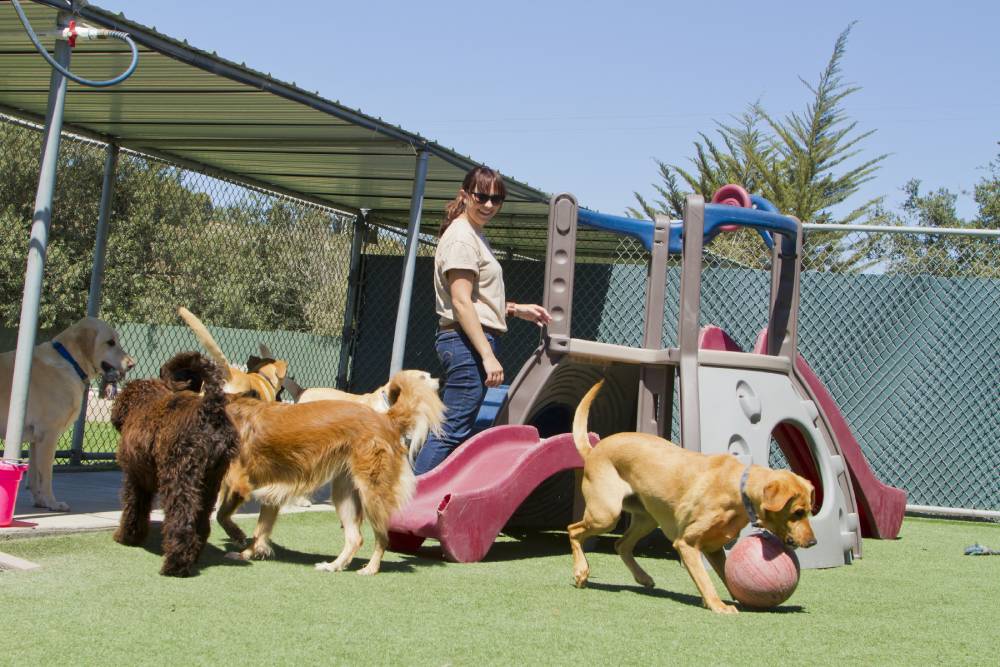
Daycare promises tired, happy dogs and peace of mind for busy owners. But behind the marketing photos of playing pups, important questions need answers. How are dogs grouped? What’s the staff-to-dog ratio? What happens if a dog gets injured or becomes ill? What vaccines are required, and are they actually verified? These aren’t just nice-to-know details. They’re essential safety considerations that separate excellent facilities from potentially dangerous ones.
At Twin Maples Veterinary Hospital in Dayton, our AAHA-accredited team helps dog owners navigate daycare decisions. Through our veterinary services, we ensure dogs have current vaccinations required by quality daycares and assess whether individual dogs are good candidates for group play. We provide guidance on red flags to watch for and green flags that indicate well-managed facilities. Request an appointment to discuss daycare options and make sure your dog is properly prepared and protected.
What Can Dog Daycare Provide for Your Pet?
Thoughtfully run daycare offers supervised socialization, structured play, and enrichment many owners can’t provide every day. In this guide, you’ll learn how to evaluate facilities, understand vaccine and health requirements, prepare for first visits, and monitor your dog afterward. As an AAHA-accredited hospital open seven days a week, Twin Maples can update vaccines, provide wellness screenings, and partner with you to make daycare a positive, safe experience.
If your dog needs vaccine updates or a wellness check before starting daycare, our services page outlines how we support your preparation from nose-to-tail.
Why Can Dog Daycare Be Great for Many Dogs?
Social Confidence and Better Manners
In well-run groups, supervised interactions help dogs communicate more clearly, respect boundaries, and build confidence. Thoughtful social time can reduce anxiety, reactivity, and boredom-fueled behavior at home. For puppies and adolescents, early positive experiences shape long-term social skills.
Socializing your dog through daycare can complement training by offering controlled practice. Staff should facilitate introductions, watch for stress signals, and reward calm behavior.
What does good play look like?
- Balanced, reciprocal play with pauses and role reversals
- Well-matched playmates by energy level and style
- Swift staff intervention if arousal escalates or a dog looks uncomfortable
Real Exercise, Real Enrichment
Most dogs need more than a quick walk. Daycare can offer sustained activity, bursts of play, and mental stimulation through varied environments and games. This combination supports healthy weight and overall well-being.
Owners of herding, sporting, and working breeds know how challenging exercise needs can be. Rotating play groups, short training breaks, and rest periods help meet goals without overstimulation. If you have questions about readiness, our team includes behavior guidance as part of comprehensive care.
Is Daycare Right for Every Dog?
Not every dog thrives in group settings. Understanding dog tolerance levels helps determine whether daycare is appropriate for your pet. Some dogs love the energy of group play, while others prefer quiet time or selective companionship with just one or two familiar dogs.
Signs daycare may not be the best fit:
- Your dog becomes overwhelmed or shuts down in busy environments
- History of fear-based reactivity toward unfamiliar dogs
- Strong resource guarding tendencies
- Medical conditions that limit activity or require close monitoring
- Senior dogs who tire easily or have mobility limitations
If you’re unsure whether daycare suits your dog’s temperament, a pre-daycare wellness visit can help. Our team can assess your dog’s comfort level with new experiences and suggest alternatives like dog walking, smaller playgroups, or enrichment activities at home.
How Do You Choose A Safe, Well-Managed Daycare?
Key Questions To Ask On Your Tour
Great daycares welcome questions and share clear policies. Ask:
- How are staff trained to recognize stress and interrupt unsafe play? Do they use reward-based techniques?
- How are play groups formed- by size, temperament, age, and play style?
- What is the staff-to-dog ratio during active play?
- What’s the protocol if a dog is injured, becomes ill, or appears overly stressed? Is there a veterinary partner?
- How often are rest breaks offered, and where do dogs decompress?
- What are cleaning protocols for play spaces, bowls, and bedding?
- How are vaccinations verified, and are records checked at each renewal?
Look for a calm atmosphere, predictable routines, and handlers who proactively manage arousal.
What Do Healthy Play and a Safe Environment Look Like?
Observe groups during operating hours. Staff should actively coach play and read stress signals. Balanced play includes breaks and relaxed body language. Warning signs include pinned ears, tucked tails, stiff posture, persistent chasing of one dog, and “whale eye.”
Understanding safe group play and canine body language helps you evaluate whether staff are managing interactions appropriately.
Facilities should have secure fencing, non-slip surfaces, climate control, and quiet rest areas. If anything feels hectic, loud, or unmanaged, trust your instincts.
Before you enroll, consider a pre-daycare wellness visit. We can assess temperament, update vaccines, and discuss readiness. You can request an appointment for this assessment at Twin Maples.
What Health and Vaccination Requirements Should You Expect?
Core Vaccines Protect The Group
Reputable daycares require current vaccination records, typically rabies, distemper, and parvovirus. Verified, up-to-date vaccination protects your dog and the whole daycare population.
Bring veterinary-issued records, and expect the facility to confirm due dates. If your dog is overdue or you’re unsure, schedule a wellness visit so we can review history and administer needed vaccines. Twin Maples provides thorough exams and in-house diagnostics to ensure safe participation.
Respiratory Risk Management
Most facilities require or recommend Bordetella vaccination to reduce risk and severity of kennel cough, a common part of canine infectious respiratory disease complex. Some facilities may also recommend canine influenza vaccination depending on local risk.
Ask the daycare about respiratory illness protocols:
- How do they screen for coughing dogs at drop-off?
- What is the isolation plan if symptoms arise mid-day?
- How do they notify owners and recommend next steps?
If your dog needs updates before enrollment, request an appointment so we can get you daycare-ready quickly.
Parasite Control, Fecal Screening, and Regional Vaccines
Group settings increase exposure to intestinal parasites, fleas, and ticks. Many facilities require recent fecal testing and year-round parasite prevention. Regular fecal exams help identify and treat parasites before your dog shares space.
In the Midwest, some daycares and veterinarians may recommend leptospirosis or canine influenza vaccines based on local risks. We’ll discuss your dog’s lifestyle and travel to make personalized recommendations. If it’s time for a wellness exam or vaccines, our comprehensive approach makes preparation streamlined.
What Contagious Diseases Are Common in Daycare Settings?
Group environments increase exposure to infectious diseases. Understanding these risks helps you recognize symptoms early and seek prompt care.
Parvovirus
Canine parvovirus is a highly contagious viral disease that spreads through direct contact with infected dogs or contaminated environments. The virus can survive on surfaces, shoes, and hands for months. Young puppies and unvaccinated dogs are most vulnerable. Puppies without their full vaccine series should not attend daycare.
Signs to watch for:
- Severe, often bloody diarrhea
- Vomiting and loss of appetite
- Lethargy and fever
- Rapid dehydration
Parvovirus requires immediate veterinary care, often including hospitalization and IV fluids. Quality daycares require proof of complete vaccination before enrollment to protect all dogs in their care.
Leptospirosis
Leptospirosis is a bacterial infection spread through contact with contaminated water, soil, or urine from infected animals. Dogs can be exposed in outdoor play areas, especially after rain or near standing water.
This disease is zoonotic, meaning it can spread to humans. Signs include fever, vomiting, muscle pain, and changes in urination. Vaccination is recommended for dogs with outdoor exposure, and many daycares in our region now require it.
Oral Papilloma Virus
Oral papilloma virus causes wart-like growths in and around the mouth. It spreads through direct contact during play, shared water bowls, and toys. Young dogs with developing immune systems are most commonly affected.
The growths typically resolve on their own within a few months, but dogs with active lesions are usually excluded from daycare until cleared. If you notice unusual bumps around your dog’s mouth, schedule an exam so we can confirm the cause and advise on return-to-daycare timing.
What Parasites and Skin Conditions Spread in Daycare?
Intestinal Parasites and Giardia
Communal play areas and shared water sources can expose dogs to intestinal parasites. Giardia is particularly common in group settings, causing diarrhea, gas, and weight loss. Dogs can pick up giardia from contaminated water or surfaces where infected dogs have been.
Routine fecal testing before and during daycare attendance helps catch infections early. Many facilities require a negative fecal test within 30 days of enrollment and periodic retesting. Year-round parasite prevention adds another layer of protection.
Ringworm, Fleas, and Mange
Close contact during play increases the risk of skin conditions spreading between dogs.
| Condition | How It Spreads | Signs to Watch For |
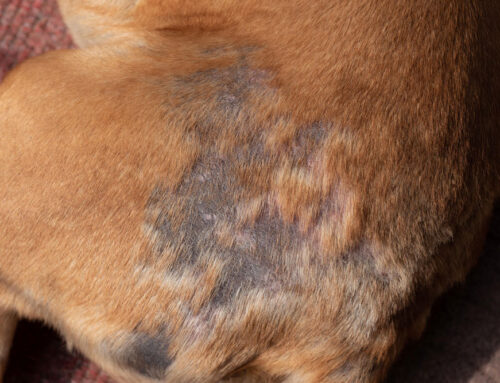
| Ringworm | Direct contact, contaminated surfaces | Circular bald patches, scaly skin, can spread to humans |
| Fleas | Contact with infested dogs or environments | Scratching, flea dirt, hair loss near tail |
| Sarcoptic mange | Direct contact with infected dogs | Intense itching, crusty skin, hair loss on ears and elbows |
Quality daycares screen for skin issues at drop-off and immediately isolate affected dogs. If your dog develops new skin problems after daycare, schedule an exam promptly. Early treatment prevents spread to other pets and family members.
What Injuries Can Happen at Daycare?
Conjunctivitis and Eye Injuries
Rough play, dust, and debris can irritate dogs’ eyes. Conjunctivitis causes redness, discharge, squinting, and pawing at the face. While sometimes mild, eye issues can worsen quickly without treatment.
Seek evaluation if you notice:
- Red or swollen eyes
- Yellow or green discharge
- Excessive tearing or squinting
- Cloudiness or visible scratches
Our team can examine your dog’s eyes and provide appropriate treatment to prevent complications and protect vision.
Bite Wounds and Scratches
Even friendly dogs can have disagreements during play. Bite wounds are a common daycare injury, and they’re often more serious than they appear. Puncture wounds can close over quickly on the surface while bacteria multiply underneath, leading to abscesses and infection.
Signs that warrant immediate attention:
- Visible punctures, tears, or bleeding
- Swelling that develops over hours or days
- Heat or tenderness around a wound
- Lethargy or fever following an incident
If your dog comes home with any wound, contact us for evaluation. Prompt treatment with wound care and antibiotics when needed prevents serious complications.
How Do You Set Your Dog Up For A Great First Day?
Temperament Checks and Trial Sessions
Quality facilities often conduct a meet-and-greet or half-day trial. Staff learn how your dog greets new people, responds to new spaces, and interacts with a small, matched group. Be candid about history- fear triggers, resource guarding, sensitivity to handling, or past conflicts- so staff can plan safe introductions.
Reducing First-Day Jitters
Short initial visits and consistent drop-off/pick-up times help dogs form positive associations. Your calm, upbeat goodbye matters too.
Normal adjustment vs. concern:
- Normal: brief vocalization, increased napping, mild excitement at pick-up
- Concerning: refusal to enter, prolonged trembling, diarrhea, or consistent avoidance in play
If anxiety persists, we can discuss behavior strategies, supplements, or medical support. Connect with the Twin Maples team to explore options tailored to your dog.
What Does A Typical Daycare Day Include?
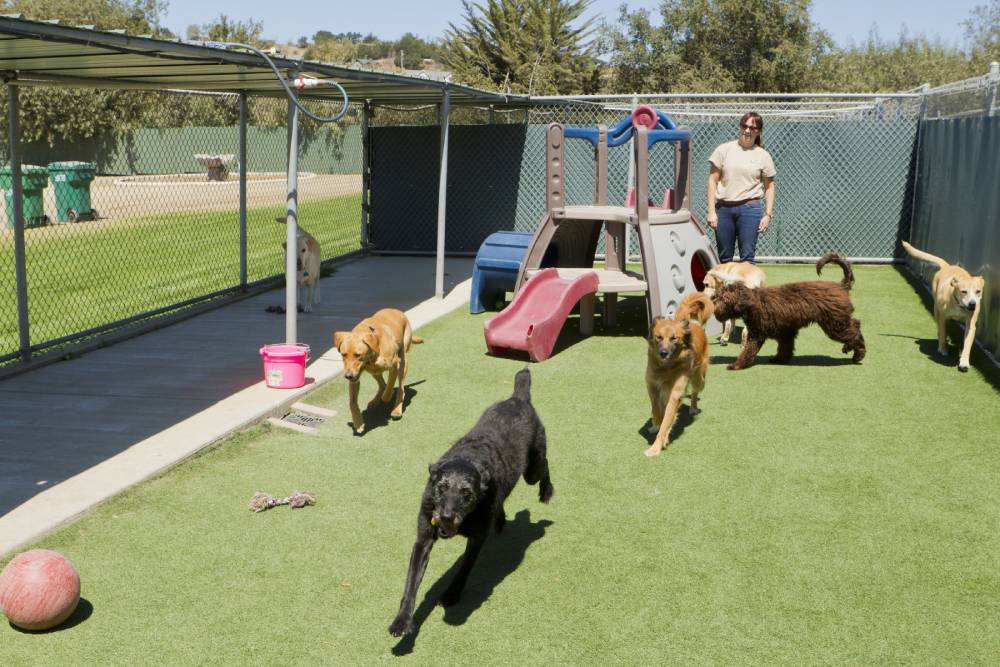
Expect a predictable schedule with active play blocks, rest periods, and feeding if requested. Facilities that share photos, behavior notes, and end-of-day updates help you stay informed- play style, energy level, preferred friends, and any redirections used.
Ask how to raise concerns and when staff can chat about behavior trends. The best teams welcome questions and collaborate with you and your veterinarian. Structure plus rest prevents overstimulation and supports safe play.
Health Check After Pick-Up
A content, tired dog is normal. Minor scuffs can happen with rough-and-tumble play, but ongoing coughing, limping, diarrhea, or lethargy beyond typical tiredness warrants attention. Monitor hydration, appetite, and stool quality after busy days.
If you notice persistent symptoms or behavior changes, contact the daycare and schedule a sick visit. Twin Maples is open seven days a week and provides urgent evaluation, in-house diagnostics including complete blood counts and blood chemistries, and compassionate treatment. If you need timely care, request an appointment and we will prioritize your dog’s comfort and recovery.
FAQs About Dog Daycare
Is daycare right for every dog? Not always. Some dogs prefer one-on-one activities or small playdates. A temperament assessment helps determine fit. Dogs with fear-based reactivity, strong resource guarding, or medical conditions requiring close monitoring may do better with alternative arrangements.
How often should my dog attend? Start with one to two days per week and adjust based on your dog’s energy, stress levels, and recovery. Some dogs thrive with daily attendance, while others need more downtime between visits.
What if my dog gets sick after daycare? Notify the facility and schedule a vet visit if symptoms persist. Our team can provide same-day support for coughing, diarrhea, lethargy, or other concerns.
Do daycares allow intact dogs? Many do not due to group dynamics and hormone-related behaviors. Ask about policies during your tour.
What vaccines does my dog need for daycare? Most facilities require rabies, distemper/parvo (DHPP), and Bordetella. Many also require canine influenza and recommend leptospirosis. We can review your dog’s records and update any needed vaccines.
Your Partner In Safe, Happy Daycare Experiences
Thoughtful selection, verified health records, and proactive communication can turn daycare into a safe, enriching part of your dog’s routine. If you’re ready to evaluate facilities or prepare your dog’s vaccine and wellness records, our AAHA-accredited team is here to help.
Schedule a daycare preparation visit or ask us anything about readiness, behavior, and health requirements. Start by reviewing our services and request an appointment so your dog can enjoy safe socialization and you can enjoy peace of mind.





Leave A Comment