


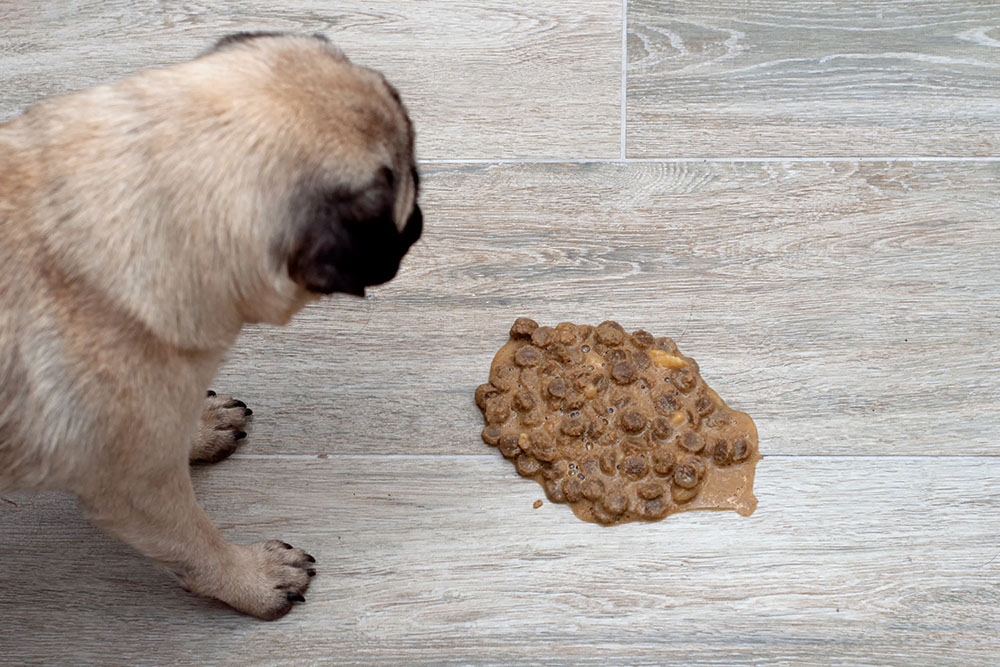
From Upset Stomach to Emergency: What Dog Vomiting Can Mean
You wake up to that distinct, awful sound: your dog is throwing up (and usually on your favorite rug). Immediately, your mind races. Was it just eating grass too fast, or is this a sign of something serious? Every pet owner knows that sinking feeling of panic when their dog is sick. Whether it’s a single incident or a worrying trend, vomiting is a clear sign that something isn’t right- from mild stomach upset to a potentially life-threatening blockage. Knowing how to interpret the warning signs can make all the difference in getting your dog the care they need.
At Twin Maples Veterinary Hospital, our veterinary care team uses advanced diagnostics and compassionate handling to determine what’s causing your dog’s vomiting and how to resolve it quickly. With in-house imaging, lab testing, and emergency capabilities seven days a week, you can trust us to find answers and bring your pet relief.
Why Dogs Vomit: Understanding the Causes
Vomiting isn’t a diagnosis- it’s a symptom that can have many explanations. Sometimes, it’s as simple as eating too quickly or reacting to a diet change. Other times, it signals infection, organ disease, or obstruction.
Knowing when the vomiting started, what your dog ate, and whether there are other symptoms- like diarrhea, lethargy, or lack of appetite- helps determine the urgency.
If vomiting persists beyond 24 hours, or if your dog seems weak, painful, or dehydrated, it’s time for a professional evaluation. Our team provides same-day appointments and emergency support to ensure your pet gets the care they need when it matters most.
Vomiting vs. Regurgitation: Understanding the Difference
Not all episodes of bringing up food are the same. Vomiting involves active abdominal contractions and heaving, producing digested or partially digested food mixed with bile or stomach fluid. Regurgitation, on the other hand, is a passive process where undigested food or liquid comes back up from the esophagus without effort or warning.
Dogs with megaesophagus, a condition where the esophagus loses its ability to move food into the stomach, frequently regurgitate shortly after eating. Distinguishing between vomiting and regurgitation helps veterinarians narrow down the problem.
Digestive System Causes of Vomiting
Eating Too Fast: A Common Culprit
Many dogs inhale their meals in seconds, gulping down food without chewing properly. This rapid eating can lead to vomiting as the stomach becomes overwhelmed with large amounts of food and air. Dogs who eat too fast may vomit undigested food shortly after meals, sometimes multiple times before they can keep anything down. Fortunately, this is one of the easiest causes of vomiting to address. Slow feeder bowls, puzzle feeders, and treat-dispensing toys work well by turning mealtime into a mental challenge that naturally slows consumption.
When Objects Get Stuck: Gastrointestinal Blockages
Dogs are notorious for eating things they shouldn’t- socks, toys, bones, and more. These items can create a gastrointestinal foreign body obstruction, blocking the stomach or intestines and causing severe vomiting, abdominal pain, and lethargy. Puppies and young dogs are particularly prone to this, but even older pets can ingest indigestible items like rawhide or corn cobs.
Gastrointestinal foreign bodies are emergencies that often require imaging and sometimes surgery to remove. At Twin Maples, we use digital X-rays, ultrasound, and endoscopy to pinpoint obstructions quickly, and our skilled surgeons are equipped for both minimally invasive and advanced procedures when needed. Early intervention prevents dehydration, intestinal rupture, and sepsis.
Dietary Changes, Spoiled Food, and Toxins
A sudden diet switch or spoiled food can upset your dog’s stomach, leading to vomiting and diarrhea. Follow pet food safety guidelines to avoid bacterial contamination, and transition between foods gradually over at least a week.
Some dogs experience dietary indiscretion- raiding trash cans or scavenging outdoors- which can cause mild to severe gastrointestinal upset. In cases of eating high fat- whether from treats or stealing the bacon grease- pancreatitis can occur. In severe cases, this can be painful and even life-threatening.
If your dog ingests household toxins such as chocolate, xylitol, or certain houseplants, immediate action is vital. Poison control resources can provide first-response steps, but emergency veterinary treatment is often necessary to prevent serious harm.
Our services include toxicology support, hospitalization, and advanced treatment protocols for poison ingestion, including induced vomiting, activated charcoal therapy, and IV fluid support.
Life-Threatening Bloat: Gastric Dilatation-Volvulus (GDV)
In large, deep-chested breeds, the stomach can twist on itself- a dangerous condition known as gastric dilatation-volvulus. This leads to rapid bloating, unproductive retching, pale gums, restlessness, and collapse. GDV is an absolute emergency.
Risk factors include eating too quickly, exercising after meals, or having a family history of bloat.
Immediate surgical intervention is the only lifesaving treatment. Preventive gastropexy surgery may be recommended for high-risk breeds like Great Danes and Standard Poodles.
Internal Organ and Metabolic Causes of Vomiting
Systemic diseases can affect digestion and trigger nausea. Conditions like chronic kidney disease or liver dysfunction can lead to vomiting as toxins build up in the bloodstream.
Bilious vomiting syndrome is a disorder that causes vomiting of bile in the morning, typically from irritation from bile backing up into an empty stomach. Endocrine conditions such as Addison’s disease or diabetes can also cause recurrent vomiting and require blood testing for confirmation.
Our diagnostic equipment includes in-house lab testing, radiography, and ultrasound to identify underlying organ problems quickly and accurately, ensuring the right treatment plan for your dog’s needs. Regular lab work is even more important for senior pets, as diseases like kidney and liver disease can often be caught early- before symptoms like vomiting appear.
Cancer: A Serious Underlying Cause
Cancer can cause chronic or intermittent vomiting, especially when tumors affect the gastrointestinal tract or when cancer spreads to other organs. Gastrointestinal tumors can obstruct the stomach or intestines, causing persistent vomiting that doesn’t respond to standard treatments. Canine lymphoma, one of the most common cancers in dogs, frequently affects the gastrointestinal tract.
If your dog has unexplained, persistent vomiting along with other concerning symptoms, our team can perform comprehensive diagnostics to identify or rule out cancer and develop an appropriate treatment plan.
Infectious Diseases That Cause Vomiting
Viruses and infections can cause acute vomiting and dehydration, particularly in unvaccinated or young dogs. Canine parvovirus is a highly contagious disease that leads to severe vomiting, bloody diarrhea, and lethargy- and it can be fatal without intensive treatment.
Bacterial infections like salmonella or campylobacter may also cause gastrointestinal distress, especially after eating raw or undercooked food.
Prevention through vaccination and hygiene is critical. During your pet’s wellness exam, our team will ensure vaccinations are up to date and discuss additional protection if your dog frequently visits parks, daycares, or boarding facilities.
Intestinal Parasites: A Hidden Threat
Intestinal parasites are a common and often overlooked cause of vomiting, especially in puppies, young dogs, and those with outdoor access. Roundworms, hookworms, whipworms, and giardia can all cause vomiting. Some parasites are visible in vomit or stool, but most require fecal testing to detect.
Regular deworming, fecal exams during wellness visits, and year-round parasite prevention is essential for keeping your dog parasite-free. Our team recommends fecal testing at least annually, and more frequently for puppies or dogs with gastrointestinal symptoms.
Environmental Causes
Heat Stroke: A Dangerous Emergency
Heat stroke is a life-threatening condition that occurs when a dog’s body temperature rises to dangerous levels, typically above 104°F. Dogs cannot sweat like humans and rely on panting to cool down, making them vulnerable to overheating in hot weather. Vomiting is one of the early warning signs of heat stroke. If you suspect heat stroke, move your dog to a cool area, offer small amounts of water, apply cool (not cold) wet towels to the neck, armpits, and groin, and seek emergency veterinary care immediately.

What to Do When Your Dog Vomits
If your dog vomits once but seems otherwise well, monitor closely and withhold food for several hours while ensuring access to fresh water. If vomiting continues, or if your dog becomes weak, painful, or stops eating or drinking altogether, it’s time to act.
Keep track of when vomiting occurs, what your pet last ate, and any exposure to new foods or substances- this information helps your veterinarian make a faster diagnosis. For persistent or severe cases, contact our team immediately or request an appointment for an urgent exam.
Protecting Your Dog’s Digestive Health
Vomiting can have dozens of causes, but prompt evaluation is the key to protecting your dog’s well-being. Preventive care- such as routine exams, safe feeding practices, and keeping toxins out of reach- helps reduce risk and keeps your pet’s digestion on track.
At Twin Maples Veterinary Hospital, we combine advanced medicine with compassionate care to make sure every patient receives the attention they deserve. From diagnostics to treatment and recovery, we’re here every day of the week to support you and your pet.
If your dog is vomiting or just seems “off,” don’t wait- schedule an exam through our request form or call our experienced team. Together, we’ll help your pet feel better fast and get back to tail wags and happy meals.





Leave A Comment