


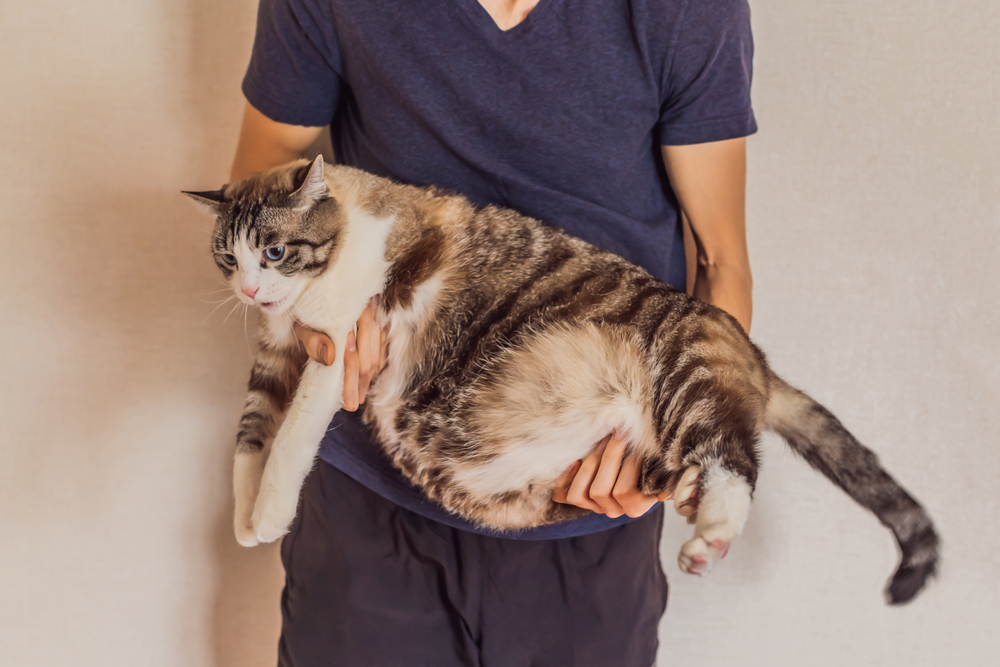
“He looks healthy to me” is one of the most common phrases heard right before a veterinarian gently places hands on a dog’s ribs and reveals that the situation may be a bit more… well padded than expected. Body condition scoring exists for exactly this reason. It is a structured, hands-on evaluation that goes well beyond a quick glance across the exam room to determine whether a pet’s weight and fat distribution actually fit their frame.
Ribs that are difficult to feel, a waist that has quietly vanished, or an abdomen that has traded its natural tuck for a more level silhouette are not just cosmetic changes. They are clinical indicators tied to real health consequences, including increased joint stress, cardiovascular strain, and a higher risk of diabetes. None of these show up consistently on a scale, which is why body condition scoring remains one of the most useful tools we have for turning “he looks fine” into an objective assessment of health.
Twin Maples Veterinary Hospital in Dayton, OH is an AAHA-accredited practice open seven days a week, with a team committed to comprehensive wellness care that gives owners real, actionable information about their pet’s health. Our full range of veterinary services includes individualized nutritional guidance and body condition assessment at every wellness visit. Request an appointment to get a complete picture of where a pet stands and a clear plan for keeping them there.
Why Does the Number on the Scale Fail to Show the Complete Health Picture?
A scale measures weight, nothing more. Two pets of the same weight and age can have vastly different body compositions because body composition is not about the number on a scale, it is about muscle-to-fat ratio. A 40-pound dog with high muscle mass is fundamentally different from a 40-pound dog with a high fat percentage, and that difference is not visible under a coat.
Fat tissue is not inert. It actively produces hormones and inflammatory compounds that accelerate aging, increase wear and tear on joints, and create an environment where diseases like diabetes, heart disease, and certain cancers become more likely. Extra weight also puts pressure on the heart, increases load on joints, and makes surgical and anesthetic recovery more complicated if an emergency arises.
Muscle health, by contrast, supports metabolism, joint stability, and active movement. A pet with good muscle-to-fat ratio recovers faster from illness, handles stress better, and ages more gracefully. Breed and build play a role too: a fit Border Collie will look different than a Bulldog at a healthy weight, and how a pet moves, feels, and performs daily is ultimately more informative than any number on a scale.
Reach out or book online to schedule a wellness consultation where we can assess your pet’s body condition and catch any concerns early.
How to Assess Your Pet’s Body Condition at Home
Body condition scoring is a hands-on skill that improves with practice and works best when done monthly, particularly for pets with thick coats that hide changes well. Here is a straightforward approach you can use during normal petting time.
Step 1: Feel the ribs
Place your hands on the pet’s rib cage and press gently inward. You should feel individual ribs under a thin layer of skin and muscle, similar to how you can feel the ribs on your own chest. You should not be able to see the ribs prominently from across the room, but you should be able to feel them clearly with light pressure. If you cannot feel the ribs at all, the pet is likely overweight. If the ribs are visibly protruding and sharp to the touch, the pet may be underweight.
Step 2: Evaluate the waist
Look at the pet from above. In a pet at ideal condition, the waist creates a visible narrowing behind the rib cage before the hips. If the body is a uniform tube from shoulder to hip with no narrowing, weight is likely a concern.
Step 3: Assess the abdominal tuck
From the side, the abdomen should tuck upward as it moves from rib cage to hip. A belly that sags or hangs level with the chest is a sign of excess weight. A belly that tucks sharply and appears almost concave may indicate the pet is underweight.
Step 4: Palpate the spine and hip bones
Run your hand along the spine and hips. These bones should be palpable with gentle pressure but not visibly prominent or sharp.
These four assessments together give a realistic picture of whether a pet’s weight is appropriate for their frame. The Body Condition Scale provides a structured scoring system:
- Scores 1 to 3 (Underweight): Ribs, spine, and hips are easily visible; no fat covering; obvious abdominal tuck
- Scores 4 to 5 (Ideal): Ribs are easy to feel with light pressure; clear waist definition; gentle abdominal tuck
- Scores 6 to 7 (Overweight): Ribs are harder to feel under fat; waist is faint or absent; fat pads beginning to appear
- Scores 8 to 9 (Obese): Ribs cannot be felt; no visible waist; round, sagging belly; prominent fat deposits
If you are unsure where your pet falls, our team is happy to walk you through a hands-on assessment at any visit.
What Does Excess Weight Do to Your Pet’s Body?
Excess weight is not simply about appearance. It is a metabolic stressor that affects nearly every organ system in ways that matter for daily health and longevity.
Joint and skeletal stress: Every pound of excess weight increases pressure on joints with each step, accelerating cartilage breakdown and inflammation over time. Intervertebral disc disease, a painful condition affecting the spine, is also more common and more severe in overweight dogs.
Heart and cardiovascular system: Excess weight forces the heart to work harder to pump blood through additional tissue. Blood pressure rises, and high blood pressure creates downstream risks for the kidneys, eyes, and brain. Heart disease becomes more likely, particularly in breeds already predisposed to cardiac conditions and in senior pets.
Metabolic dysfunction: Obesity disrupts insulin sensitivity, making diabetes far more likely to develop. Many overweight pets are also at higher risk for elevated blood pressure, pancreatitis, and metabolic syndromes. Addressing obesity early can prevent or delay the onset of these conditions.
Heat and respiratory strain: Overweight pets overheat more easily, and the risk of heat stroke increases significantly. Flat-faced breeds are particularly vulnerable, since excess weight compounds already-compromised airway function.
Urinary health: Urinary stones are more common in overweight pets, partly due to metabolic changes that affect urine chemistry.
Lifespan: The connection between obesity and lifespan is well-established. Overweight pets live shorter lives, sometimes by two years or more, and experience reduced quality of life during those years.
The Risks of Being Underweight
Underweight pets face their own serious challenges. Weak immunity makes them more vulnerable to infections. Without adequate fat reserves, they struggle to stay warm in cooler weather. Muscle loss affects mobility and strength, and healing from illness or injury slows significantly when the body lacks the reserves needed for recovery. If your pet has been losing weight without a clear dietary explanation, request an appointment to investigate the underlying cause.
What Causes Weight Changes in Pets?
Weight changes rarely reflect a single cause. Excess calorie intake is the most common driver, and many owners significantly underestimate how much they are feeding. A single treat can represent 10 percent of a small dog’s daily calorie allowance, and table scraps and casual snacking add up faster than most people expect.
Medical causes are frequently missed. Hypothyroidism in dogs slows metabolism, making weight gain easy even with normal eating. Cushing’s disease causes increased appetite and a pot-bellied appearance as the body produces too much cortisol. In cats, feline hyperthyroidism is a common cause of weight loss in senior cats despite a ravenous appetite. Kidney disease and cancer can also drive unexplained weight changes in both species, making prompt evaluation important when the cause is not clear.
Corticosteroids, anticonvulsants, and other chronic medications can affect appetite and metabolism as well. If weight changes began after starting a new medication, that connection is worth discussing. As pets age, reduced activity from arthritis and joint pain creates a cycle where less movement leads to weight gain, which then adds further joint stress.
Our in-house laboratory allows us to run complete blood counts, chemistries, and urinalysis quickly during visits, and annual early detection blood screening can establish a baseline that helps us spot metabolic changes before they become serious.
How Much Should You Be Feeding Your Pet?
Food portions should be based on a pet’s ideal weight, not their current weight. Portion guidelines emphasize measuring every meal with a scale or measuring cup rather than estimating, since estimating consistently leads to overfeeding. A calorie calculator designed for pets is the most reliable starting point for establishing daily food amounts. Packaging guidelines are a general starting range, not a prescription, and are often higher than what a specific pet actually needs.
One critical note for cats: never reduce food intake too quickly. Rapid calorie restriction can trigger hepatic lipidosis, a potentially fatal liver disease that develops when the body mobilizes fat too quickly. All feline weight loss plans should be gradual and veterinarian-guided.
Prescription Diets vs. Over-the-Counter: Does It Matter?
When choosing pet food for a pet that needs to lose weight, the distinction between prescription and over-the-counter options matters more than most owners realize.
Prescription weight-loss diets go through feeding trials demonstrating safe, consistent fat loss while preserving lean muscle mass. They use specific protein-to-calorie ratios, added L-carnitine for fat metabolism, and controlled fiber that helps pets feel satisfied on fewer calories. Over-the-counter “light” diets often simply reduce fat content without the same rigorous testing, and many do not provide enough protein to prevent muscle loss during calorie restriction. For pets needing significant weight loss or those with concurrent health issues, prescription diets offer more predictable results under veterinary oversight. Our team can recommend the right fit based on your pet’s body condition, health status, and weight loss goals.
Practical Strategies for Safe, Sustainable Weight Loss
Weight loss is a long-term project, and consistency matters more than perfection. The goal is a gradual calorie decrease paired with a steady, appropriate increase in activity, with progress measured over months rather than weeks.
For dogs: Dog weight loss begins with short, frequent walks and builds from there. Swimming and controlled fetch offer low-impact options for dogs with joint pain. Increasing duration gradually is safer than jumping straight to long outings.
For cats: Cat weight loss requires a different approach since cats are not motivated by outdoor walks. Multiple short play sessions that mimic hunting behavior, vertical climbing structures, and puzzle feeders that require effort to access food all increase daily activity. Scattering kibble around a room or down a hallway encourages movement during meal time in a simple, low-effort way.
Managing meals: Feed scheduled, measured meals rather than free-feeding. Interactive feeders slow eating, reduce boredom snacking, and provide mental stimulation alongside calorie control. When treats are part of training or bonding, lower-calorie options like green beans, carrot slices, or small pieces of plain chicken breast keep the routine going without derailing progress.
Tracking and adjusting: Weigh and perform a body condition score every two to four weeks and adjust portions if progress stalls. Make sure all household members are aligned, since one person’s generous extras can easily offset another’s careful portioning.
Our team is here to help create a nutritional consultation and exercise plan tailored to your pet’s condition and lifestyle.
Monitoring Through Every Life Stage
A pet’s nutritional needs shift significantly over time. Puppies and kittens grow quickly and need calorie-dense diets that support development. Adults need maintenance plans that match their activity level. Seniors often lose muscle even as fat accumulates, making body condition assessment at that stage particularly nuanced.
Regular wellness visits include body condition checks so changes do not sneak up between appointments. We recommend exams every six months for adult dogs and cats to catch weight shifts and early disease markers before they become harder to manage. Our wellness programs are built around ongoing, life-stage-appropriate monitoring, with portions, diet choices, and activity targets updated as a pet’s needs change.

Frequently Asked Questions About Pet Weight Management
How fast should my pet lose weight?
Slow and steady is the right approach. Crash diets backfire and often lead to regain, and in cats they carry the serious risk of hepatic lipidosis. Our team can set a safe, realistic target based on your pet’s starting point.
What if my pet refuses the new diet?
A gradual diet transition over seven to ten days, mixing increasing amounts of the new food into the current diet, minimizes rejection and digestive upset. Puzzle feeders and interactive play can boost interest in a new food. If a cat stops eating entirely during a transition, contact us promptly rather than waiting to see if they come around.
Can treats stay in the plan?
Yes, in moderation. Count them toward the daily calorie total and choose lower-calorie options when possible. Swapping some treats for play, praise, or a training session keeps the bond strong without the calorie cost.
Do I need a prescription diet?
For significant weight loss or pets with concurrent health issues, prescription diets offer safer and more reliable results. For maintenance or minor adjustments, an over-the-counter option chosen with veterinary input may be sufficient. Our team can guide this decision based on the individual pet.
Taking the First Step Toward a Healthier Weight
Every improvement in body condition means less pressure on joints, a heart working more efficiently, and a pet better equipped to stay healthy and active for years to come. It does not require perfection or dramatic changes, just consistent, small adjustments that add up over time.
We are open seven days a week and genuinely committed to being available for every step of this process. Contact us for a nutrition consultation and body condition assessment, and let our team help build a practical plan that works for both the pet and the household.


Leave A Comment