


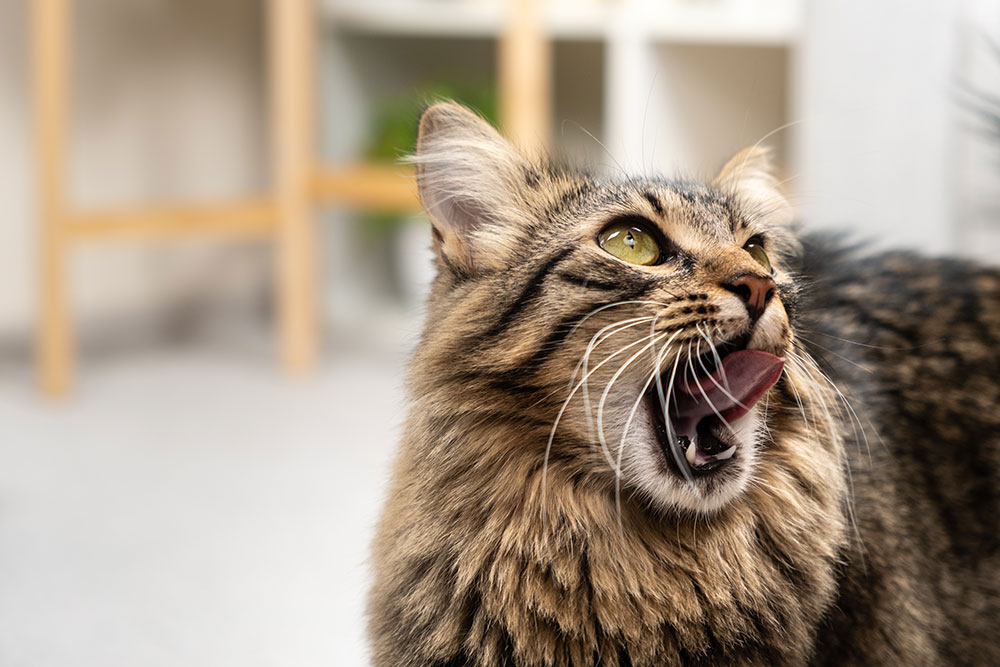
You’re enjoying a quiet moment with your pet when something feels off. Maybe it’s a sour smell when your dog pants in your face, or inflamed gums you notice during your cat’s mid-yawn stretch. Suddenly, dental health moves from a “someday” task to something that needs attention now. With shelves full of chews, rinses, and brushes, it’s easy to feel unsure about what actually works or whether you’ve already fallen behind. The good news is that steady at-home habits, combined with regular veterinary cleanings, can dramatically reduce dental disease and protect your pet’s comfort over time. Small, consistent efforts truly add up.
At Twin Maples Veterinary Hospital in Dayton, we help pet owners build dental routines that actually stick. Our AAHA-accredited team uses clear coaching to take the stress out of dental care for pets and people alike, tailoring recommendations to every species and temperament. Request an appointment for a dental evaluation and personalized home care plans.
Why Does Daily Plaque Control Matter So Much?
Plaque forms as a sticky bacterial film on tooth surfaces within hours of eating. If it is not removed, minerals harden it into tartar within days, triggering gum inflammation. Left to progress, periodontal disease causes gum recession, bone loss, painful infections, and tooth loss. Chronic oral bacteria can also affect the heart, kidneys, and liver through bloodstream spread.
Daily or near-daily home care slows this process dramatically. It does not replace professional dental cleanings, which allow complete scaling and polishing under anesthesia, but it extends the time between procedures and keeps your pet more comfortable in the meantime.
How Do You Teach a Pet to Accept Toothbrushing?
Success with brushing rarely happens overnight. The goal is to build tolerance gradually so your pet associates oral handling with something positive, not stressful. Moving too quickly can create resistance that is difficult to reverse. Using structured, reward-based cooperative care techniques allows your pet to feel safe and gives them predictability during each step.
A step-by-step approach may include:
- Begin by gently touching the muzzle and lifting the lips for just a second, then offer a high-value reward. Practice this daily until your pet remains relaxed.
- Progress to briefly touching the teeth and gumline with your finger. Keep sessions short and upbeat.
- Introduce a pea-sized amount of pet-safe enzymatic toothpaste and allow your pet to taste it. Human toothpaste should never be used because it is unsafe if swallowed.
- Add a soft toothbrush or finger brush, starting with the outer surfaces of the front teeth.
- Gradually increase coverage to include the premolars and molars, keeping early sessions under one minute.
Even short sessions that focus only on a few teeth are worthwhile. Consistency builds confidence for both you and your pet. C.E.T has a great line of toothbrushes and toothpastes that come in a variety of flavors to help you find something your pet tolerates or even enjoys.
What Is the Proper Technique for Brushing a Dog’s Teeth?
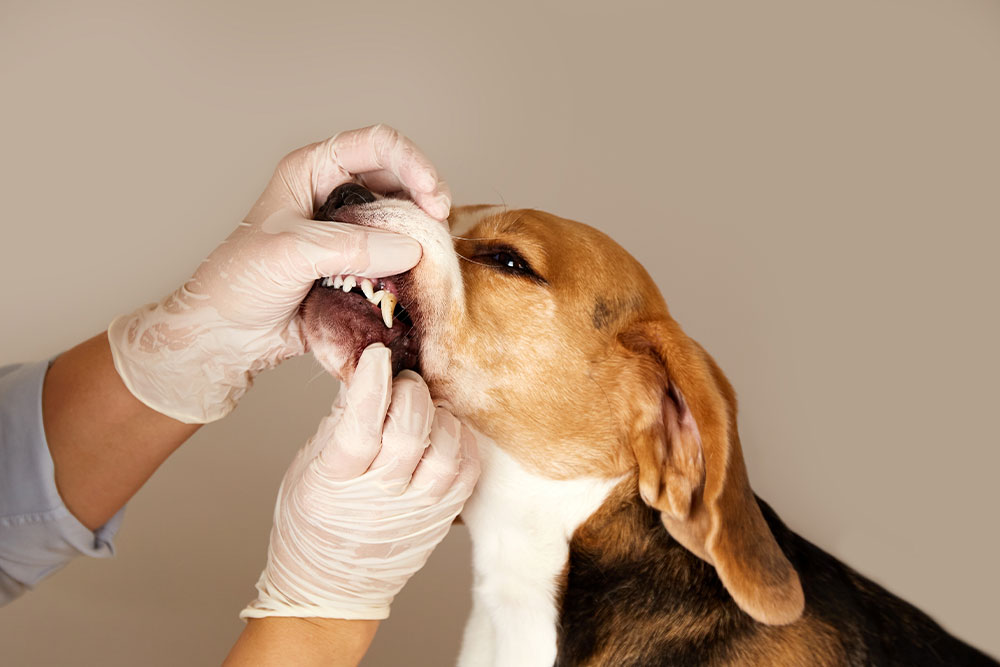
Positioning makes a difference. Stand beside or slightly behind your dog rather than directly in front, which can feel intimidating. Gently lift the lip and angle the brush about 45 degrees toward the gumline, where plaque accumulation begins. Use small circular motions and move methodically from the front teeth toward the back molars.
The outer surfaces deserve the most attention, as saliva naturally helps rinse the inner sides of the teeth. This visual walkthrough of brushing dog teeth can help reinforce technique and hand placement. During dental visits at Twin Maples Veterinary Hospital in Dayton, our team can demonstrate these angles and adjustments so you feel comfortable continuing at home.
Does Brushing Work the Same Way for Cats?
Feline mouths require a slightly different approach. Cats have delicate gum tissue and typically tolerate shorter sessions. A small finger brush or cat-specific toothbrush offers better control. Support your cat’s head gently, lift the lip, and focus on the outer surfaces of the canine teeth and premolars, which are common sites of plaque buildup.
This guide on brushing cat teeth outlines feline-specific handling tips and positioning. Many cats respond best to sessions lasting 15 to 20 seconds at first, gradually increasing as they adjust. If you would like in-person coaching, you can request an appointment for hands-on guidance tailored to your cat’s temperament.
Are Dental Wipes or Gauze Effective Alternatives?
For pets who strongly resist a brush, dental wipes or gauze wrapped around a finger can still provide mechanical friction. These tools help remove soft plaque along the front teeth and outer surfaces and are often more acceptable for anxious dogs or sensitive cats. VOHC-accepted wipe options include HealthyMouth Anti-Plaque Wipes and Vetradent Dental Wipes.
Gently rub along the gumline and sweep outward in small strokes. Combining wipes with an enzymatic solution enhances their effectiveness. While wipes are useful, they do not reach under the gumline or fully clean the back molars the way brushing can. If tartar becomes visible or breath worsens despite regular use, professional cleaning is likely needed.
Do Enzymatic Gels and Powders Make a Difference?
Enzymatic dental products work by disrupting bacterial biofilm chemically. They can be applied with a brush, finger, or sometimes simply placed along the gumline for your pet to distribute with their tongue. Mechanical brushing enhances their impact, but even direct application can help slow plaque accumulation and reduce odour.
Apply a thin layer where the tooth meets the gum, as this is where inflammation begins. It is important to understand that gels do not remove hardened tartar.
Dental powders work similarly by disrupting the bacteria that create plaque-forming biofilms. ProDen PlaqueOff Powder is one of the few powder products that carries the VOHC seal for both plaque and tartar reduction, and it can simply be mixed into meals. Powders work best when used every day. During dental consultations, our veterinarians recommend specific products based on exam findings and individual risk factors.
What About Water Additives and Oral Rinses?
Water additives and oral rinses are marketed as easy breath fresheners and plaque reducers. Some contain antimicrobial or enzymatic agents that distribute throughout the mouth while your pet drinks. However, their effectiveness varies, and they should be considered supportive tools rather than primary plaque control methods.
Several water additives have earned VOHC acceptance, including HealthyMouth Water Additive, TropiClean Fresh Breath (available in several formulas including gut health and hip and joint support versions), Bluestem Water Additive, and Vetradent Liquid. These products have clinical data demonstrating measurable plaque or tartar reduction.
Introduce additives gradually to ensure your pet continues drinking normally. These products will not remove existing tartar, but they may help slow plaque development when combined with brushing or wipes.
What Does the VOHC Seal Actually Mean?
The Veterinary Oral Health Council evaluates dental products based on submitted clinical data. Items that demonstrate measurable reductions in plaque or tartar earn acceptance. The seal may appear on chews, diets, wipes, gels, and rinses.
While not every effective product has undergone review, choosing VOHC-accepted products provides added reassurance that the item has been objectively tested. The full list includes dozens of products across multiple categories, and it is updated regularly. Our team at Twin Maples can help you interpret labels and select products appropriate for your pet’s age, breed, and oral health status.
Can Specialized Dental Diets Reduce Plaque?
Yes, certain dental diets are formulated to promote oral health. Their kibble size and texture create a mild abrasive effect during chewing, and some contain ingredients that chemically limit tartar formation. VOHC-accepted dental diets for dogs include Hill’s Prescription Diet t/d, Science Diet Oral Care, Royal Canin Veterinary Dental, and Purina Pro Plan Veterinary Diets DH. For cats, Hill’s Prescription Diet t/d and Purina Pro Plan Veterinary Diets DH Feline are among the accepted options.
These diets serve as supportive tools and help extend the time between professional cleanings. They do not replace brushing or veterinary dental procedures. During wellness exams, our team can determine whether transitioning to a dental-specific formula would benefit your pet.
Are All Dental Chews and Toys Safe?
Chewing can assist with mechanical plaque removal, but hardness matters. Items that are too rigid can fracture teeth. Avoid dangerous chew items such as antlers, bones, and very hard nylon products. Instead, select safe chew toys that flex slightly under pressure and are appropriate for your pet’s size.
How Do You Choose the Right Chew?
If you cannot indent the chew with your fingernail, it is likely too hard. Look for materials that bend slightly and do not splinter. Options such as dental chew toys can massage gums while helping reduce surface plaque. You can add toothpaste to the ridges of the toys to increase effectiveness. Supervise use and discard damaged toys promptly.
VOHC-accepted chews for dogs include:
- Greenies (available in original, weight management, aging care, puppy, and grain-free formulas across multiple sizes)
- OraVet Dental Hygiene Chews
- Purina DentaLife Daily Oral Care
- Virbac C.E.T. VeggieDent FR3SH, Zen, and Flex
- Whimzees Brushzees and Toothbrush chews
- Pedigree Dentastix
For cats, Feline Greenies Dental Treats, Purina DentaLife Cat Treats, and Whiskas Dentabites all carry the VOHC seal. Always match the chew size to your pet’s weight range, as listed on the package.
For personalized recommendations based on your pet’s dental exam, speak with our team during your next visit.
What Can Home Dental Care Not Accomplish?
Even excellent home routines cannot remove hardened tartar or address infection beneath the gumline. Comprehensive professional dental cleanings allow scaling below the gumline, polishing enamel, taking dental radiographs, and evaluating each tooth thoroughly.
Cleaning without anesthesia seems appealing, but in reality only provides a cosmetic clean-up without addressing any real problems like fractured teeth, wear, infection, or periodontal disease. Anesthesia-free dental risks aren’t worth it. Small-breed dogs and many cats often require more frequent cleanings due to crowded teeth and plaque retention. Request an appointment if your pet is due for care and we’ll provide a thorough examination, dental radiographs, treatments of any disease, cleaning of all tartar, and a plan for future care.
Common Questions About At-Home Dental Care
How often should brushing happen? Daily brushing provides the strongest protection. If daily is not feasible, aim for four to five sessions per week. Regularity matters more than perfection.
What if my pet refuses a toothbrush? Start with wipes or gauze and add an enzymatic gel. Incorporate safe chews and possibly a dental diet to strengthen your routine. With slow, positive training, some pets eventually accept brushing.
Do I need to brush the inside of the teeth? The outer surfaces are the priority. If your pet tolerates inner surfaces, that is beneficial, but it is not essential.
How can I tell if my efforts are working? Improvement in breath odor, healthier pink gum color, and reduced visible plaque are encouraging signs. Persistent bad breath or inflamed gums warrant a veterinary exam.
Building Lifelong Oral Health in Dayton
Strong dental health develops from consistent daily care supported by timely professional treatment. Whether you rely on brushing, wipes, gels, chews, dental diets, or a combination, the most effective plan is one you can sustain.
At Twin Maples Veterinary Hospital, our AAHA-accredited team in Dayton provides individualized dental coaching and advanced preventive care to protect pets at every life stage. If you would like a tailored home care strategy, request an appointment. Our team is available seven days a week to support your pet’s oral and overall health.



Leave A Comment